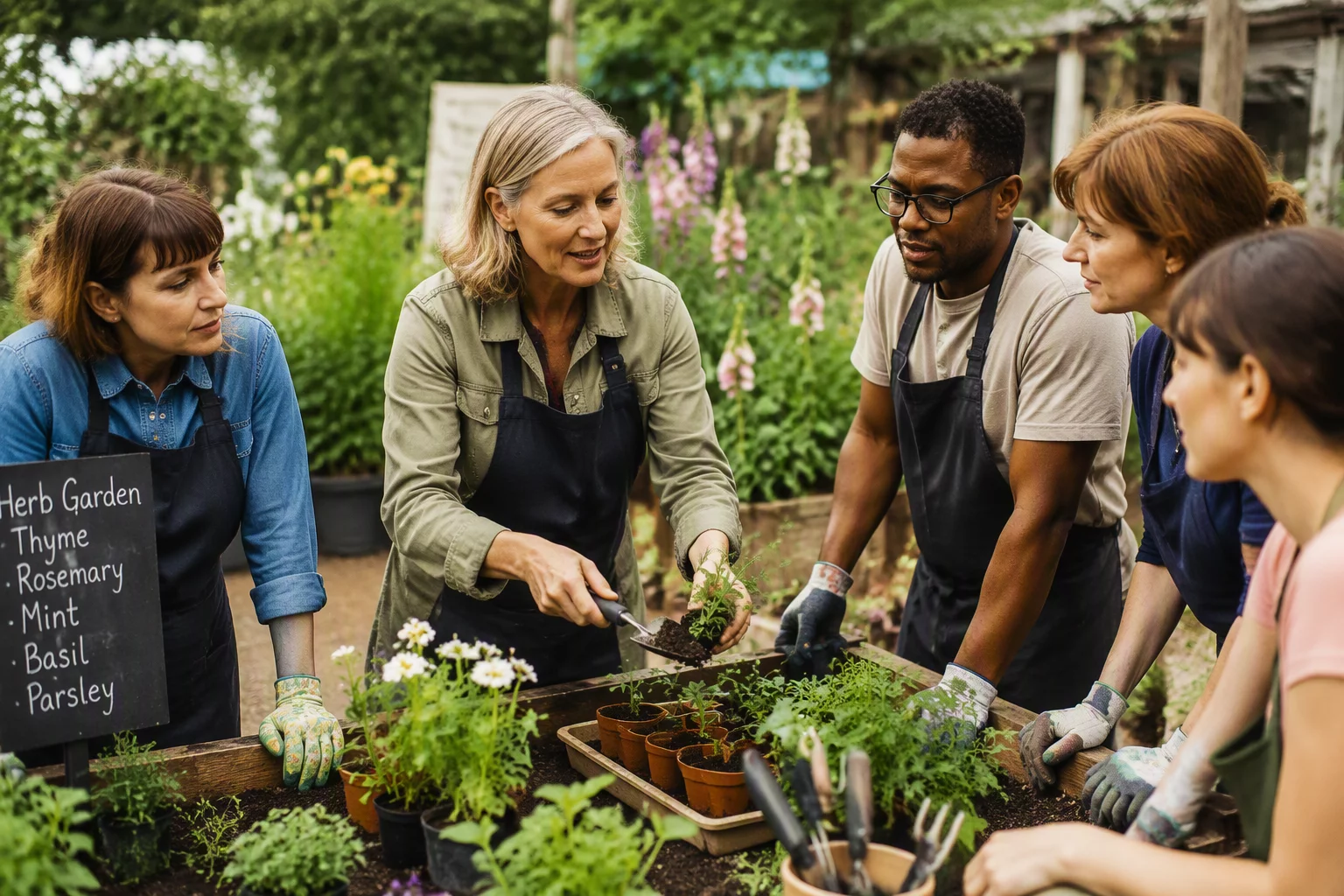
Growing a healthy garden takes more than just enthusiasm and a watering can. Many beginners struggle because plant care advice online is often fragmented, overly technical, or disconnected from reality. NatureNestkl provides a structured environment where you learn the fundamentals of horticulture through clear, sequential lessons.
Every plant in your yard responds to specific environmental cues. Understanding these reactions helps you diagnose problems early and keep your greenery thriving through changing weather conditions.
Essential Foundations of Plant Growth
Successful gardening starts beneath the surface. Soil composition dictates how roots absorb water and nutrients, making earth management the single most important habit for any grower. Tilling, composting, and testing pH levels transform dense clay or sandy dirt into fertile ground.
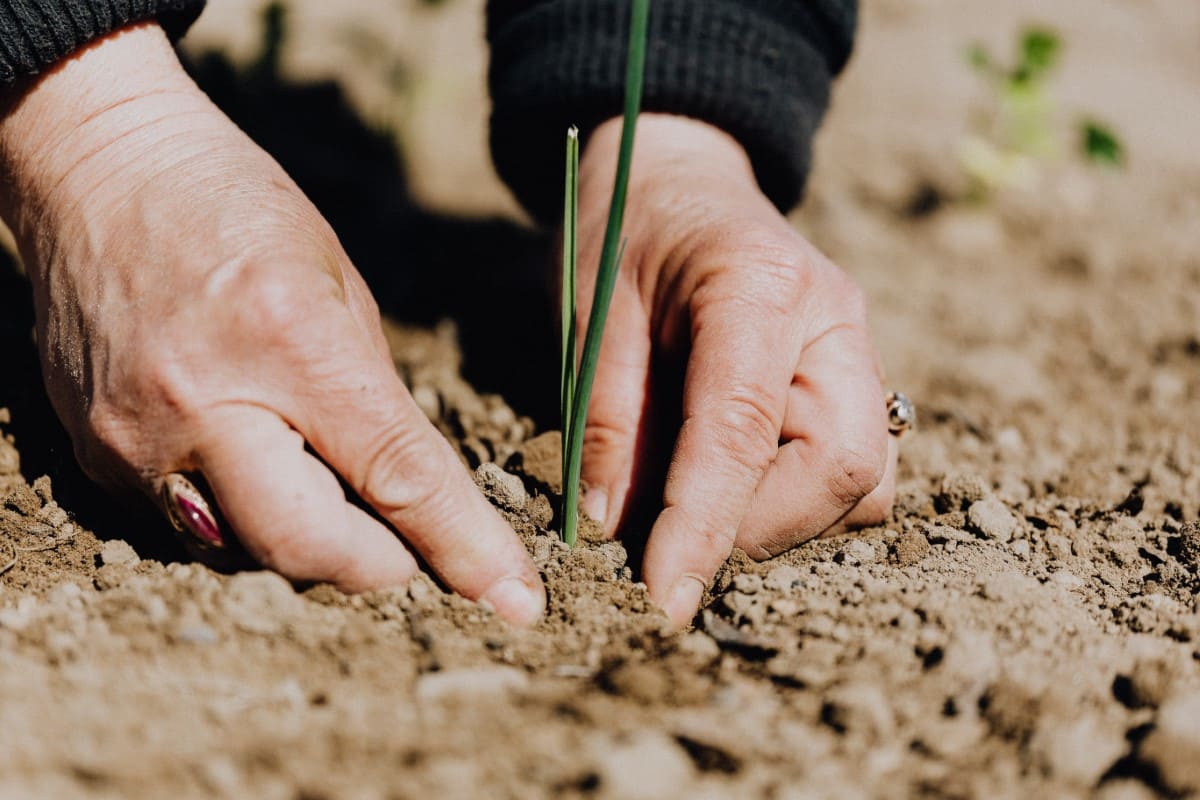
Alongside soil preparation, learning proper planting techniques ensures that young roots establish themselves firmly. Digging the right depth and giving specimens adequate breathing room prevents stunted growth down the line.
Mastering Water and Nutrient Delivery
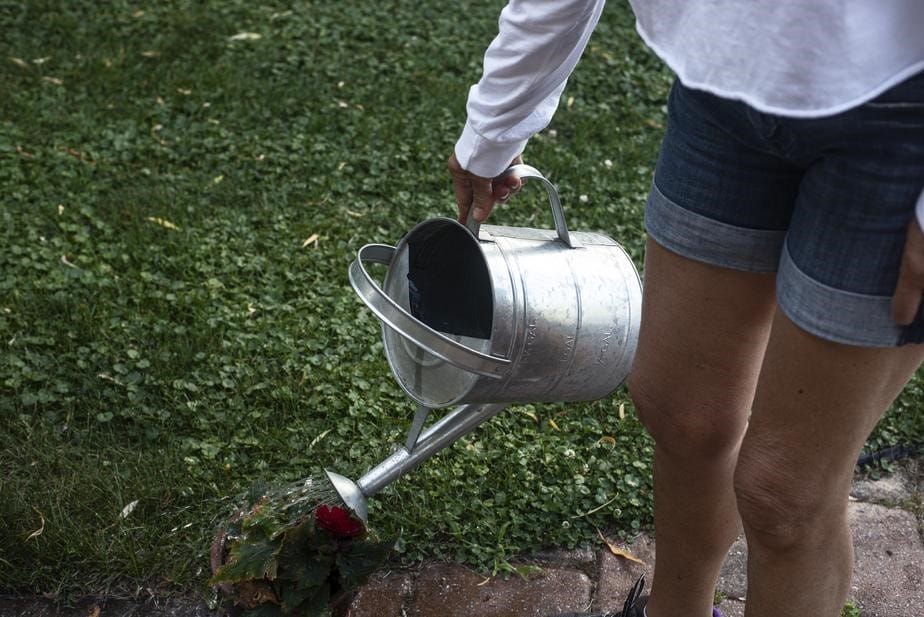
Watering seems simple until roots rot from overhydration or leaves scorch during dry spells. Knowing when and how much moisture to provide saves both effort and plant life. Drip systems and deep soaking methods direct moisture straight to the root zone where it matters most.
Feeding your plants requires a balanced approach to organic and synthetic fertilizers. Too much nitrogen produces excessive foliage at the expense of flowers and fruit, while deficiencies leave stems weak and vulnerable to pests.
- Test your soil moisture before picking up the hose.
- Apply mulch around base stems to retain dampness.
- Deliver liquid nutrients during cooler morning hours.
- Clear fallen debris to prevent fungal spore buildup.
- Prune dead branches to encourage fresh seasonal shoots.
- Rotate crop locations annually to protect earth fertility.
Planning Your Layout and Seasonal Workflow
A well-planned garden balances aesthetic appeal with functional efficiency. Grouping flora with similar sunlight and moisture requirements simplifies daily maintenance and prevents constant repositioning later on.
Seasonal transitions demand adjustments in your routine. Spring calls for sowing and soil enrichment, summer requires vigilant hydration and pest control, autumn focuses on harvesting and bulb planting, and winter gives you time to review layout strategies and sharpen tools.
Maintaining Long-Term Plant Health
Keeping a landscape vibrant is an ongoing dialogue with nature rather than a chore to check off a list. Observing leaf color, monitoring insect activity, and adjusting care routines as seasons shift will keep your outdoor space thriving year after year.